
A Family Story Told from Elsewhere
The Glass MenagerieThis flow traces Tom’s role as both participant and narrator, showing how distance shapes the account he gives of his family.
increasing Bearing strength in each event
 decreasing
Bearing strength in each eventdecreasingThe Narrator Steps Forward
The Narrator Steps Forward
Inside and Outside
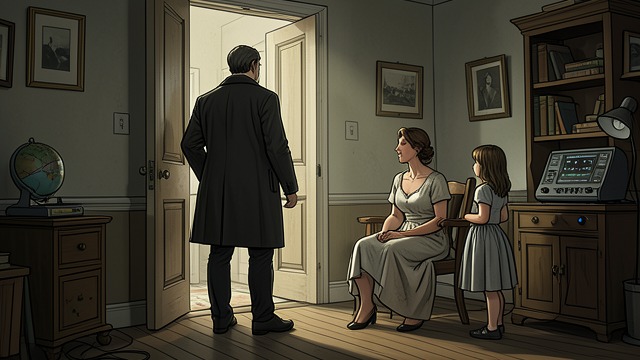
Tom announces that he is both narrator and character. His position lets the family scenes unfold while reminding the audience that someone is shaping their presentation.
Memory with a Point of View
The story belongs to Tom’s consciousness, not to an impartial witness. His perspective gives the play intimacy while leaving room to question what memory selects or emphasizes.
The Family Is Introduced
The Family Is Introduced
Three Lives in One Apartment
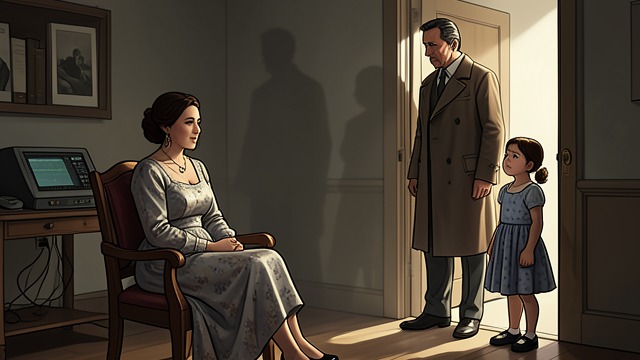
Tom identifies Amanda, Laura, and himself as the central figures. He also names the absent father and the anticipated caller, setting family relations against past and future departures.
A Story Already Remembered
The introduction presents the characters as people Tom has carried with him. Their entrances are therefore both dramatic events and returns to a past he cannot fully leave.
The Past Takes the Stage
The Past Takes the Stage
Time Reversed
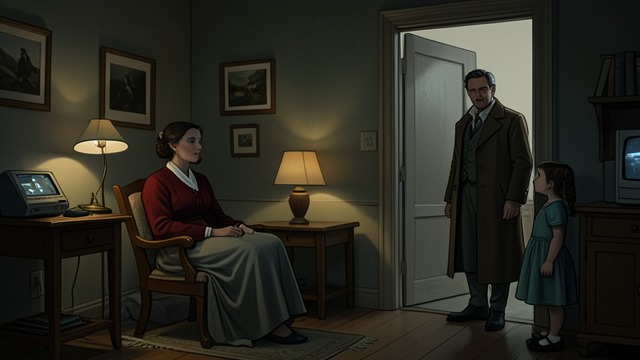
Tom says that he turns time back to the 1930s before the apartment’s remembered life appears. Historical context and domestic action enter through his deliberate act of narration.
A Shaped Reconstruction
The scene’s dimness and music signal that the past is being composed for an audience. The method makes the act of remembering part of the dramatic action.
The Closing Address
The Closing Address
A Return to the Frame
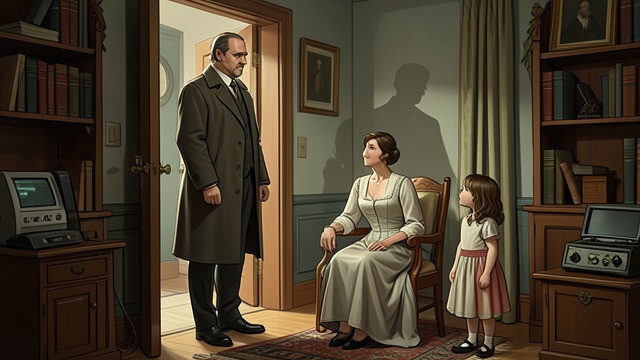
Tom speaks again from outside the remembered apartment. He narrates what happened after his departure and connects his travels to recurring memories of Laura.
The Witness Remains Bound
His account transforms leaving into an ongoing relation to those he left behind. The final address gives him control of the story, but no control over its emotional return.
The Candles Extinguished
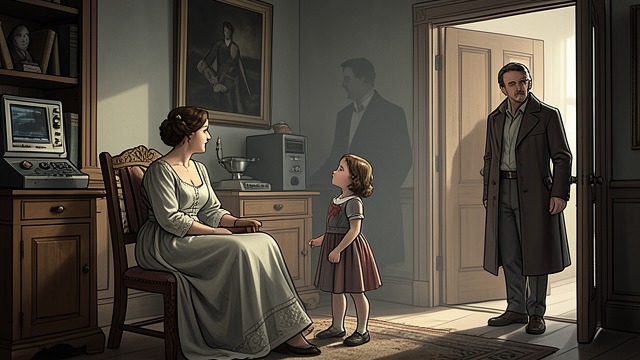
The Candles Extinguished
Narration Meets Action
Tom’s last words ask Laura to blow out her candles. The remembered scene and the narrator’s present voice converge in one small gesture.
An Ending Without Erasure
The darkness ends the performance, not the memory Tom has disclosed. The audience is left with the difference between bringing a story to a close and escaping its meaning.
At the beginning of the play
During Tom’s opening exposition
As the first family scene begins
After Tom has left the family
At the final moment
